
The Inventor's Desk

Say It PROUD: Self-Awareness, Ren's Three Words, and Books 10, 12, and 20
California's first social-emotional sub-strand is Self-Awareness, and CASEL puts it first too. Three books carry a child from a whisper to a promise.
Read more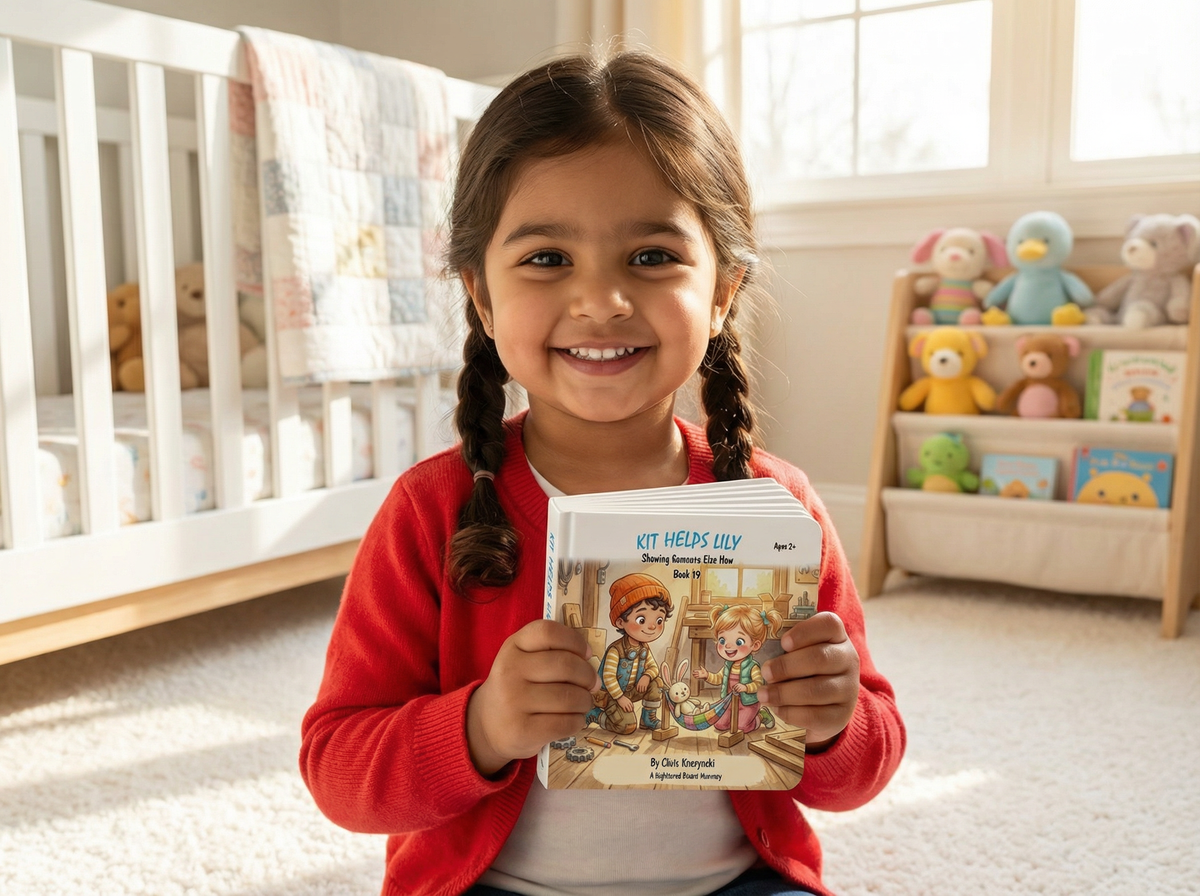
A Friend's Difference Is a Fact, Not a Plot: Inclusion in Books 8, 14, and 19
The DEC/NAEYC joint statement on early childhood inclusion is seventeen years old and California is still funding it. Here is how the series handles a friend who is different, and why the differenc...
Read more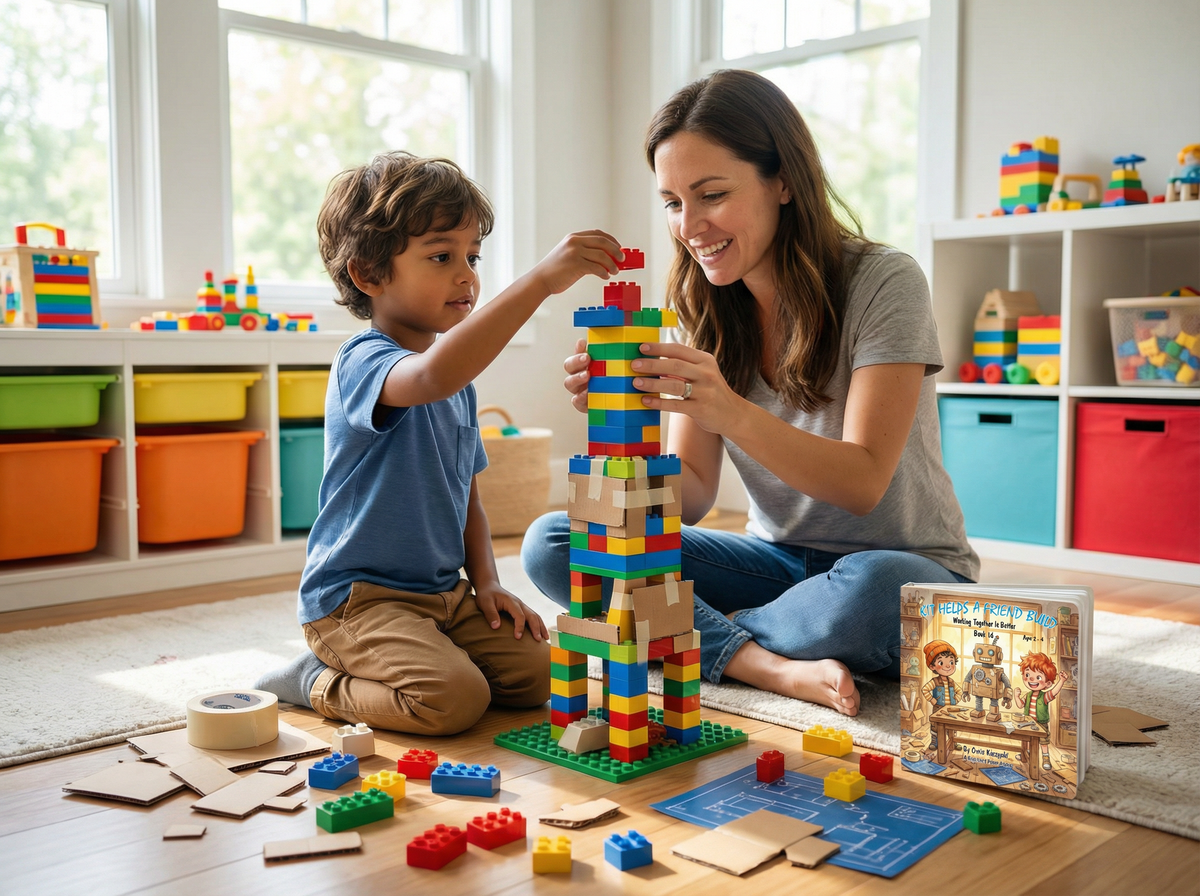
Two Names on One Creation: Problem-Solving Together in Books 11, 14, and 19
California's Approaches to Learning foundations end with a strand called Goal-Directed Learning, and one of its two sub-strands is Collaborative Effort. Three books are about nothing else.
Read more
Show and Tell Is a Readiness Skill Worth Practicing: Kindergarten Transition and Books 17 and 20
NAEYC devoted its Spring 2026 magazine issue to the preschool-to-kindergarten transition, and California now offers transitional kindergarten to every four-year-old. Book 17 is about the one skill ...
Read more
Andrea Beaty's Questioneers vs. Kit's Little Sparks: Which Age Is Right?
How the two series fit together. Short answer: Kit's Little Sparks is the prequel age. The Questioneers are the next chapter.
Read more
A 50-Book Library That Grows With One Child From Age 2 to Age 12
Four age-tiered series, one inventor's journey. Here is the full map of the Kit's Little Sparks universe.
Read more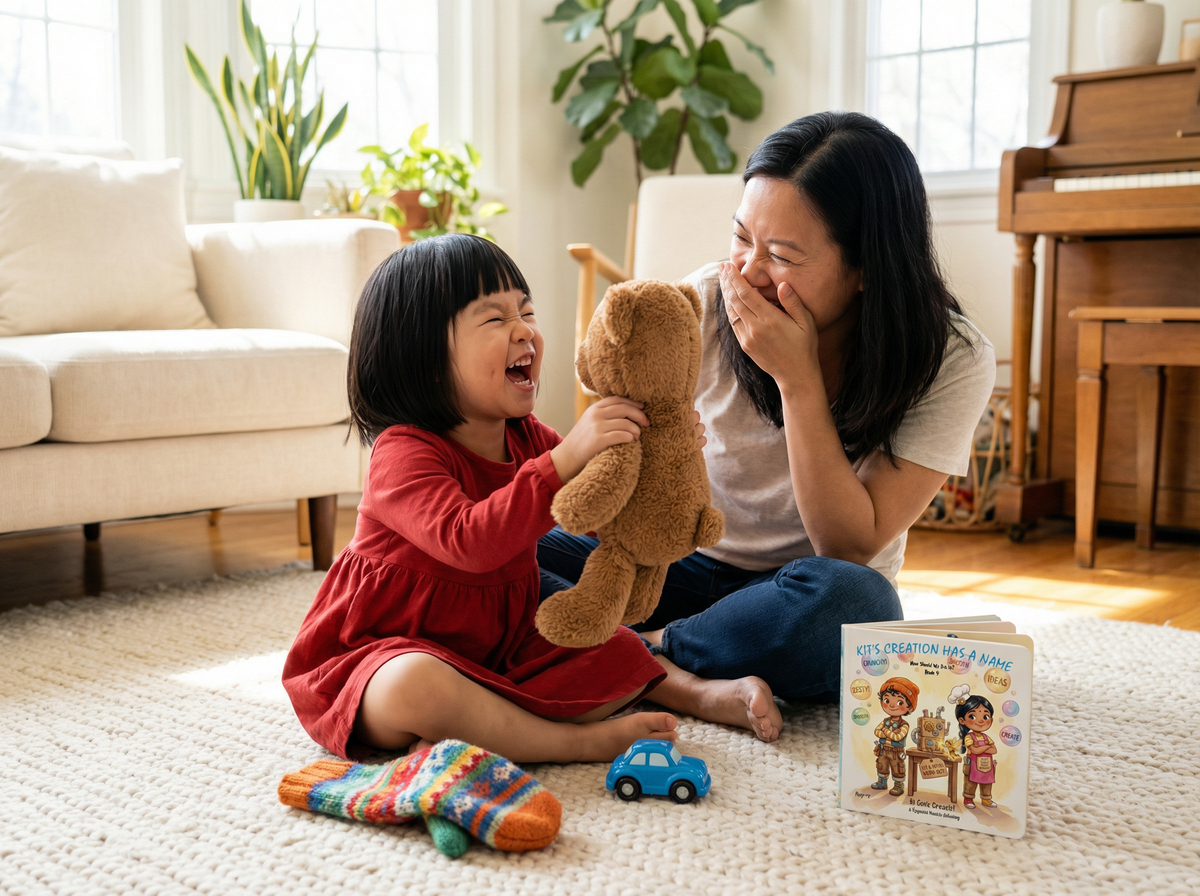
Why I Wrote 20 STEM Books Instead of One Picture Book
The publishing math, the developmental math, and the patent-attorney math all pointed the same direction.
Read more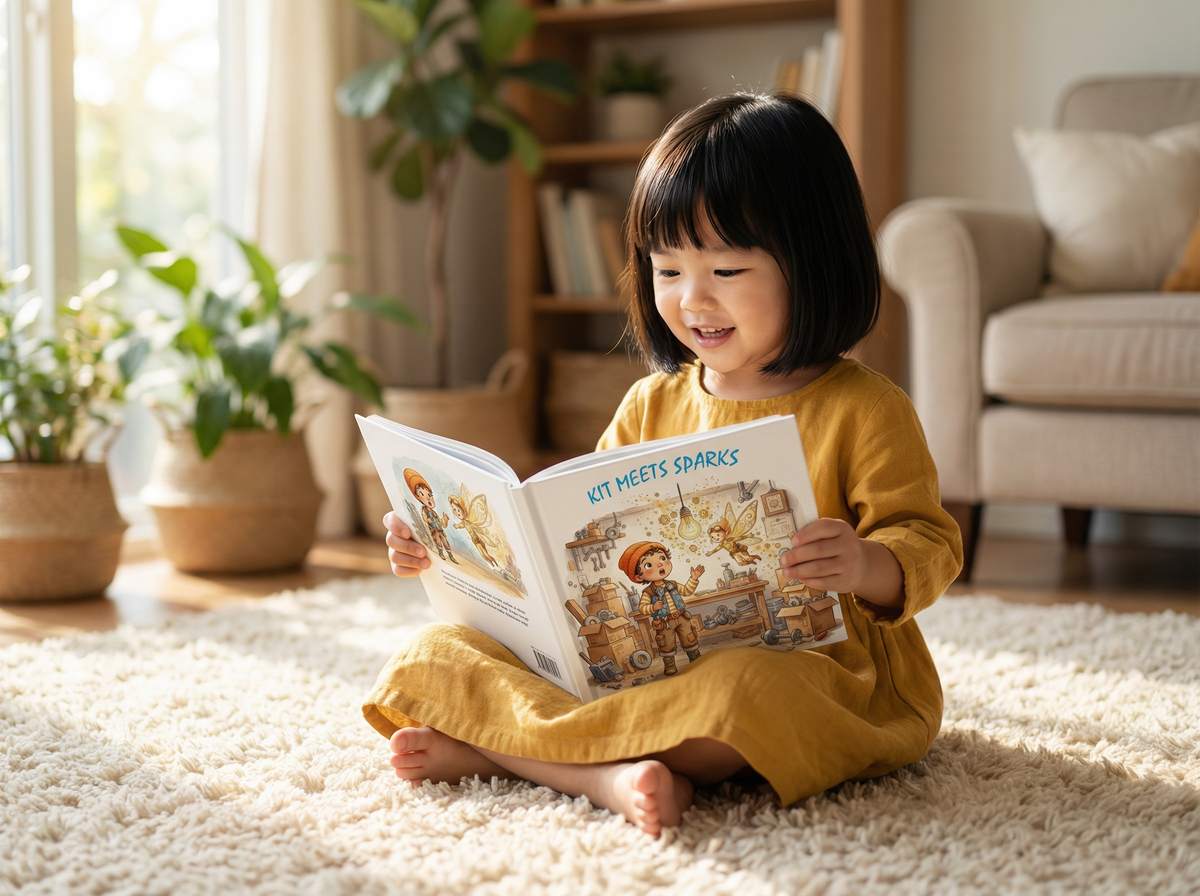
Why Kit Puts His Mark on Everything He Makes
A patent attorney on the one idea behind intellectual property that a toddler can actually hold: credit belongs to the person who made the thing.
Read more